

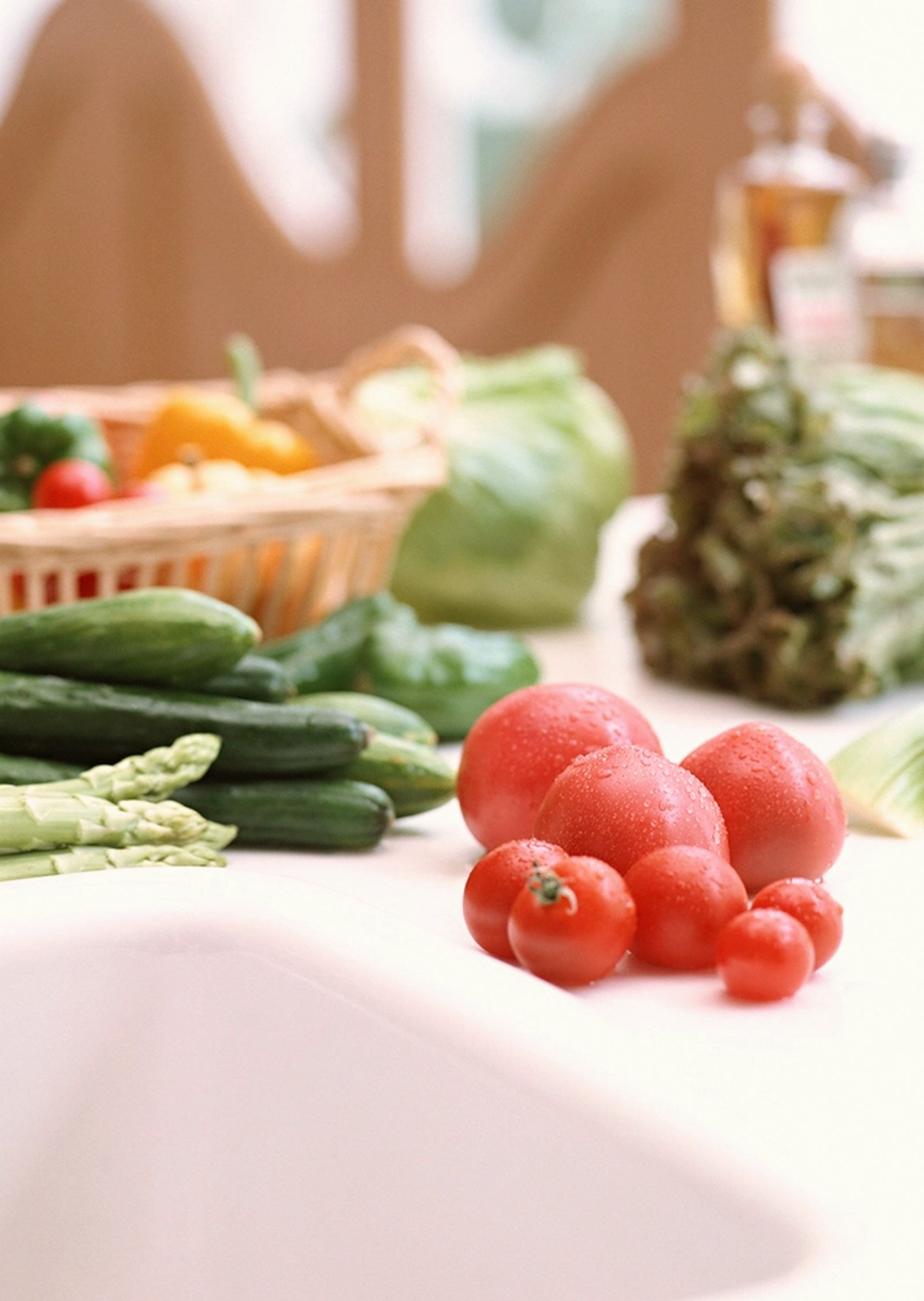
The hardest part of eating well is not knowing what to eat. Most of us know vegetables are good and fried takeout every night is not. The hard part is 6:45 p.m. on a Wednesday, when everyone is hungry and nobody wants to cook.
That is the problem meal prep solves. Not with perfect containers lined up on Instagram, but with a few basics ready in the fridge so a balanced dinner takes 15 minutes.
Prep components, not full meals
Cooking five identical lunches gets boring fast. A better approach is to prepare building blocks you can combine in different ways:
- One grain: brown rice, quinoa, farro or whole-wheat pasta.
- One or two proteins: roasted chicken thighs, baked tofu, a pot of lentils, hard-boiled eggs.
- A tray of roasted vegetables: whatever is in season or on sale.
- Something raw and crunchy: washed salad greens, sliced cucumbers, shredded cabbage.
- One sauce: a simple yogurt dressing, peanut sauce or vinaigrette.
With those in the fridge you can make a grain bowl, a wrap, a quick stir-fry or a big salad without starting from zero.
A 90-minute plan
Turn the oven on first. While it heats, rinse the grain and start it on the stove. Chop vegetables and spread them on a sheet pan with oil and salt. Put the protein on a second pan.
While everything cooks, wash the greens and make the sauce. By the time you are done, the oven trays are usually ready too. Let everything cool before it goes into the fridge.
Most cooked grains, roasted vegetables and proteins keep for three to four days in the refrigerator. Plan to eat the most perishable things first, and freeze a portion if you will not get to it.
Keep the plate balanced
A useful rule of thumb is the plate method: half the plate vegetables, a quarter protein, a quarter whole grains, plus a little healthy fat. You do not need to measure anything. Just look at the plate.
Shop with a list
Meal prep starts at the grocery store. Plan a rough menu before you shop and write a list by section of the store. You will spend less and throw away less food.
Frozen vegetables and canned beans are fine. They are cheap, they last, and they are often just as nutritious as fresh.
Start small
If 90 minutes sounds like too much, start with one thing. Cook a pot of rice and roast one tray of vegetables. Next week add a protein. The goal is a habit you can keep, not a perfect fridge.
If you have specific dietary needs or a medical condition, a registered dietitian can help you adapt these ideas.