

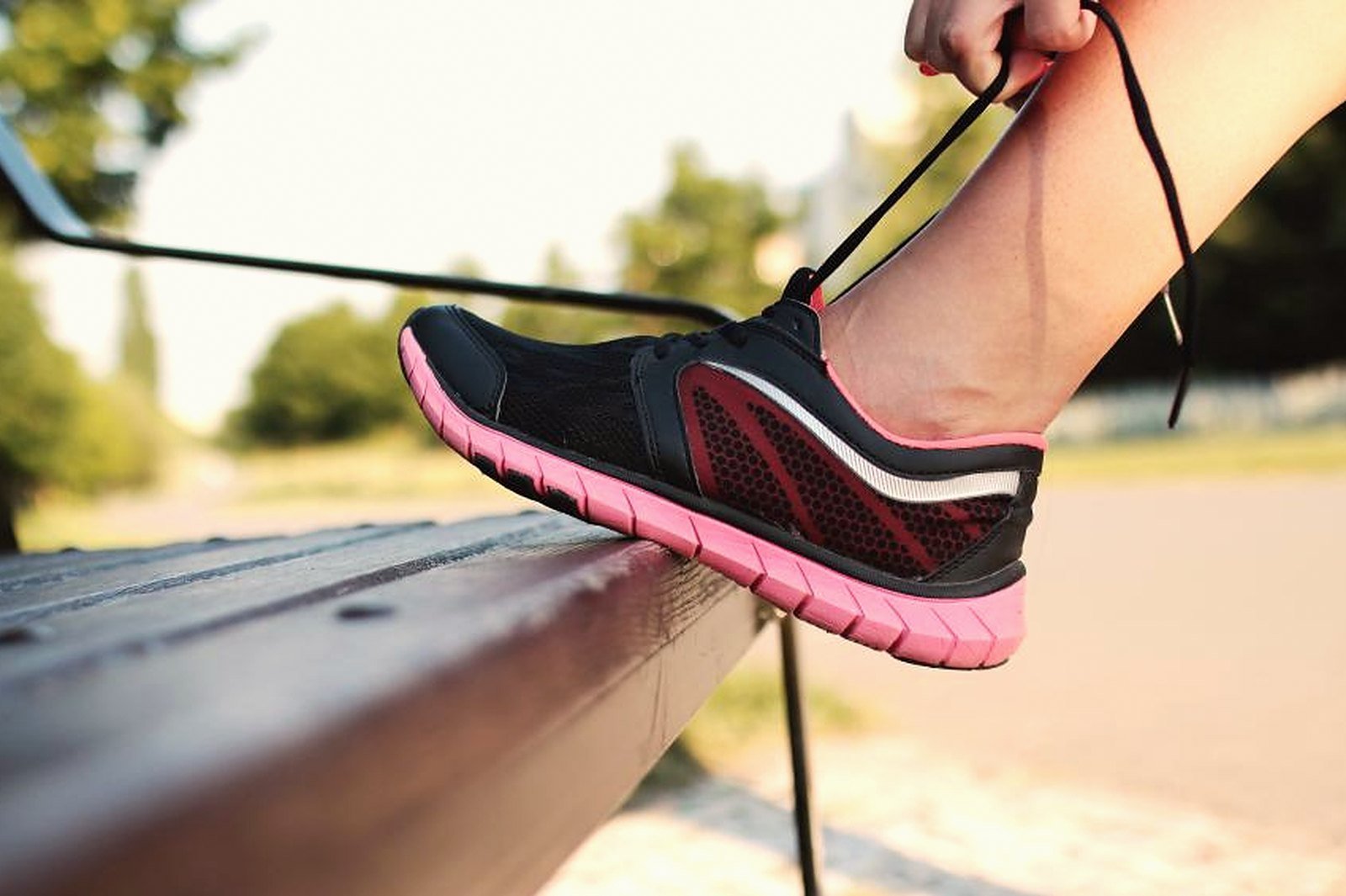
Most people think of exercise as something that happens in a gym, in workout clothes, for an hour. That picture keeps a lot of us on the couch. If it does not feel like a real workout, why bother?
Here is the thing: walking is real exercise. It is also the easiest kind of physical activity to start, the cheapest, and the one people are most likely to keep doing for years.
What the guidelines actually say
The CDC recommends that adults get at least 150 minutes of moderate-intensity activity each week, plus muscle-strengthening work on two days. Moderate means you can talk but not sing. A brisk walk fits that description for most people.
150 minutes sounds like a lot until you divide it. Five days of 30 minutes. Or seven days of a little over 20. Or three ten-minute walks a day, which is often the easiest way to fit it in.
Why walking works so well
- It needs no equipment beyond comfortable shoes.
- You can do it almost anywhere, in any season, with the right layers.
- It is gentle on the joints compared with running.
- It is easy to combine with things you already do, like phone calls or errands.
There is also a mental side. A lot of people find that a walk clears their head better than another coffee. A short walk after lunch is one of the simplest ways to break up a long afternoon at a desk.
How to build the habit
Start smaller than you think you need to. If you walk very little right now, ten minutes a day is a fine first goal. After a week or two, add five minutes. Keep going until you reach 20 to 30 minutes on most days.
Attach the walk to something you already do. Walk right after breakfast, after you drop the kids at school, or as soon as you close the laptop. A fixed trigger works better than trying to remember.
Make it pleasant. A podcast, a friend, a route through a park. People skip things they do not enjoy.
Making it a bit harder
Once walking feels easy, you can add challenge without turning it into a chore. Pick a route with a hill. Walk faster for one minute, then normal for two, and repeat. Carry a light backpack. None of this needs a plan or an app.
A note on steps
Ten thousand steps a day is a nice round number, but it did not come from a medical study. It started as a marketing slogan for a pedometer in the 1960s. More steps are generally better than fewer, but you do not fail if you land on 7,000. Use a step count as a rough guide, not a test.
The bottom line
If you only add one healthy habit this month, make it a daily walk. It is simple, it adds up, and it makes the other habits easier. Check with your doctor first if you have a health condition or have not been active for a long time.